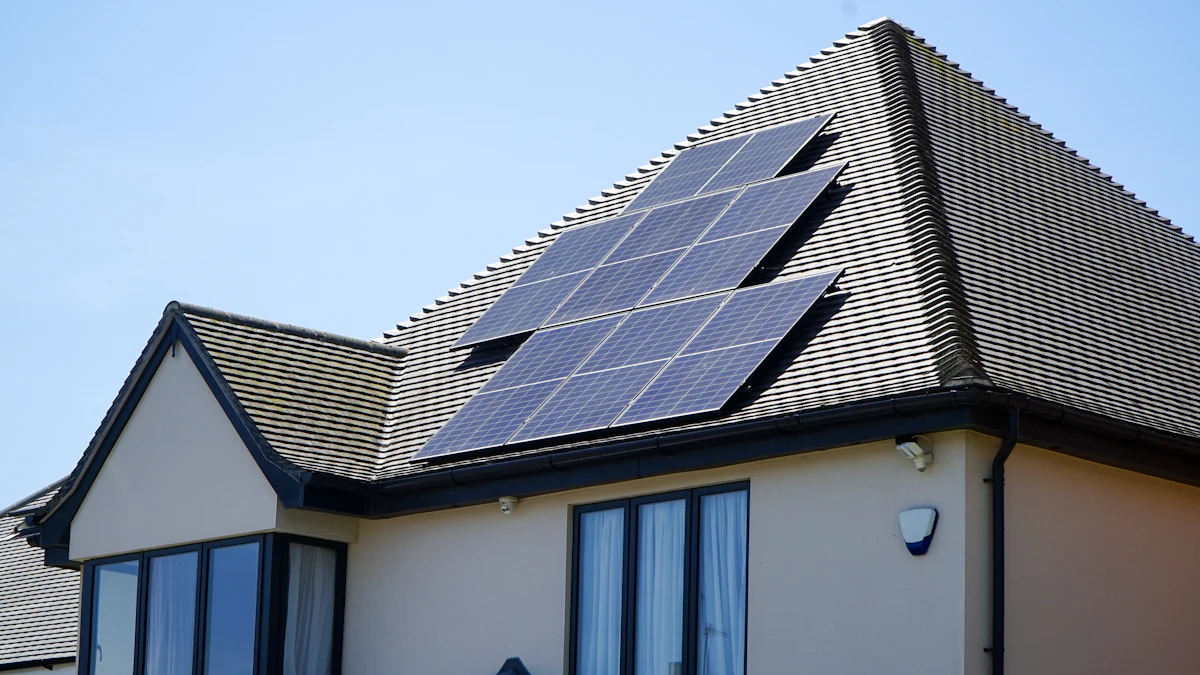
Winter storms cause some of the longest power outages, and that is exactly when solar recharging is hardest. Knowing what to expect helps you size a system that still works in December, not just in June.
Why output drops in winter
- Shorter days. Fewer daylight hours mean less total energy.
- Lower sun angle. Sunlight passes through more atmosphere and hits panels at a steeper angle.
- Clouds and storms. Overcast skies can cut output dramatically.
- Snow cover. Even a thin layer of snow can block most of a panel's output.
There is one upside: solar cells are more efficient when they are cold. On a clear, cold day, a well-aimed panel can perform very well for the hours the sun is up.
Estimate daily output with peak sun hours
"Peak sun hours" describe how much usable sunlight a location gets in a day. Winter values are much lower than summer values, especially in northern states.
Daily Wh ≈ panel watts × peak sun hours × 0.75
The 0.75 factor covers real-world losses from heat, wiring, imperfect angles, and the charge controller. Your results may be higher or lower.
| Panel | 1.5 peak sun hours | 2.5 peak sun hours | 4 peak sun hours |
|---|---|---|---|
| 100 W | ~110 Wh | ~190 Wh | ~300 Wh |
| 200 W | ~225 Wh | ~375 Wh | ~600 Wh |
| 400 W | ~450 Wh | ~750 Wh | ~1,200 Wh |
Illustrative estimates, not test results. For location-specific figures, use the U.S. Department of Energy's free NREL PVWatts calculator.
In other words, a single 200 W panel on a short winter day may only replace a few hundred watt-hours. Refilling a 2,000 Wh battery could take a week of good weather. That is why recharging speed matters so much in long outages.
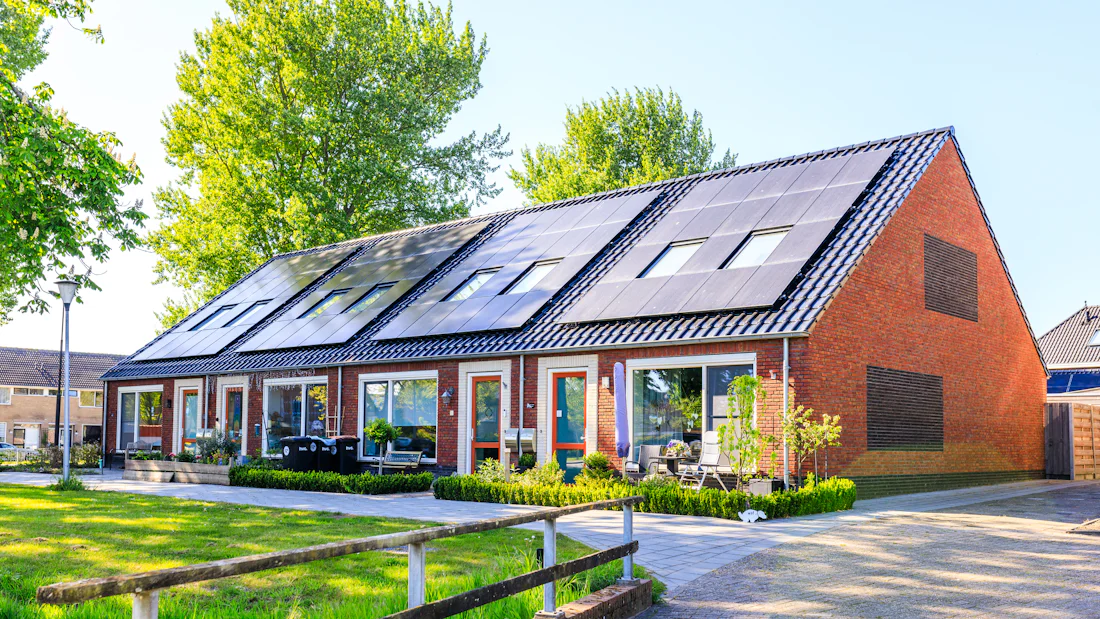
How to get more from your panels in winter
- Tilt panels steeper to face the low winter sun more directly.
- Aim south (in the U.S.) and avoid shade from trees and buildings, which is longer in winter.
- Clear snow and frost gently with a soft brush.
- Re-aim during the day if you can, following the sun.
- Add more panels, up to your power station's maximum solar input.
- Keep the power station warm. Many units will not charge below freezing, even if the panels are producing.
If you wire panels in series, check the power station's maximum input voltage. Panel voltage rises in cold weather, so a setup that is fine in summer can exceed the limit on a frigid morning.
Plan for the worst case
For winter outages, size your battery to cover at least a day or two on its own, and treat solar as a way to stretch it. A backup way to recharge, such as a vehicle charger, adds resilience. Try our backup power calculator to see how much solar your essentials need.
This guide is general information, not electrical or medical advice. Follow manufacturer instructions, and use a licensed electrician for any connection to your home's wiring.