 Research review
4Patriots Blackout Buddy Review
A 1,030 Wh LiFePO4 unit that stays plugged in and switches your fridge to battery automatically. Hands-off, but limited to 600 W and two outlets.
1,030 Wh · 600 W · 35 lb
Independent Backup Power Research & Reviews
We research portable power stations, solar generators, and emergency power kits against one published framework, then explain what it means for your home in plain language.
Start with your situation
Pick the scenario closest to yours for the guidance that matters most.
Keep the fridge, lights, internet, and phones running through a multi-day outage.
Why clean inverter output and overnight runtime matter most for sensitive loads.
How battery power compares with gas generators on carbon monoxide risk.
How batteries behave when temperatures drop, and what limits charging.
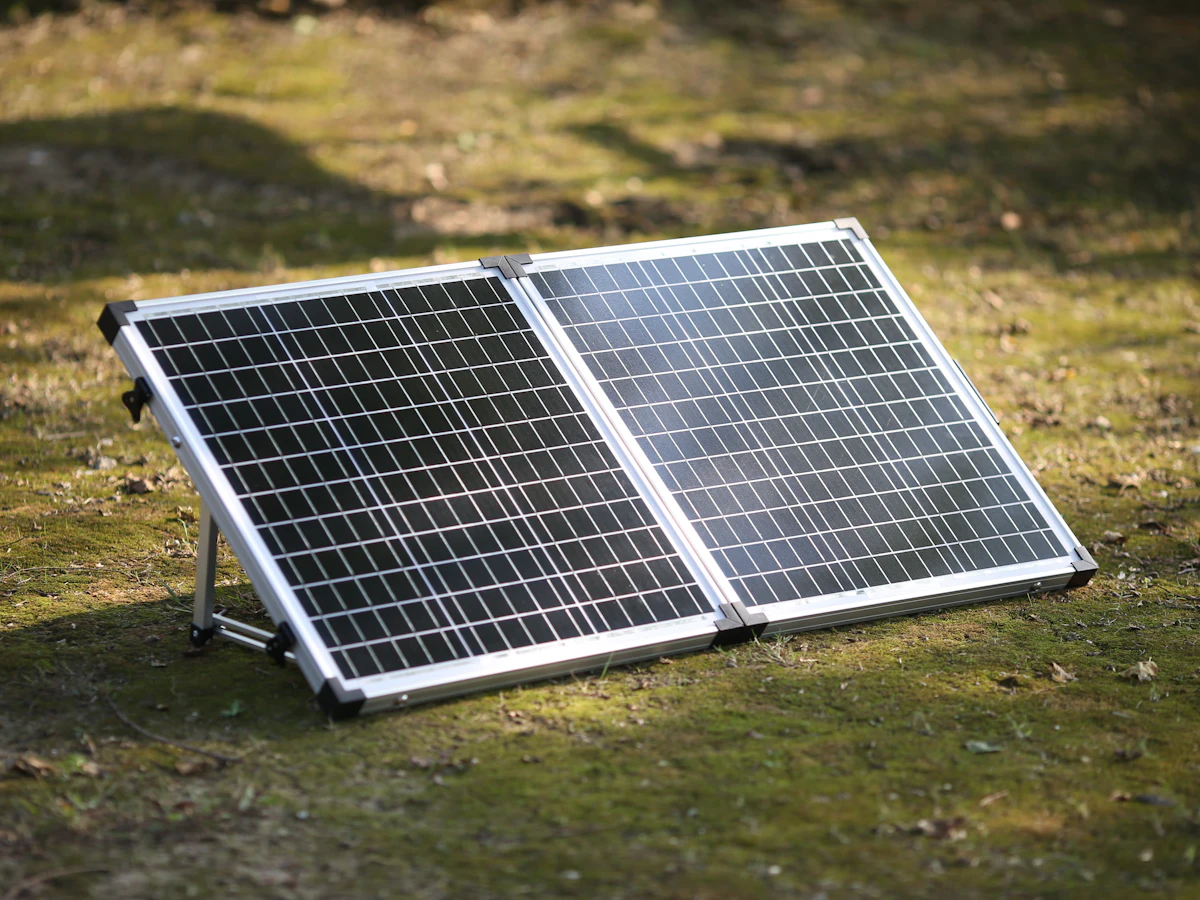
What panels really deliver in real sunlight versus the number on the box.
Estimate the battery capacity and inverter output your devices need.
How we rate
Every hands-on tested product earns a weighted score out of 10 across five categories. The weights are published, identical for every product in a category, and never adjusted for brands or commissions.
Backup power calculator
Select the devices you want to keep running, adjust quantity and hours per day, and get an instant sizing estimate.
*Motor loads such as refrigerators, freezers, and pumps can briefly draw several times their running wattage when they start. Choose an inverter with enough surge capacity.
Space heaters drain batteries very quickly. Most portable units can run one only for a short time.
Wattages are typical estimates. Check the label or manual on your own devices for accurate numbers. For the full method, read our sizing guide.
Our evaluation framework
Every product is evaluated against the same framework, so results are comparable across brands, sizes, and prices. Reviews are labeled research-based until a product completes hands-on testing.
01
Usable watt-hours under sustained heavy loads, and whether heat forces early shutdown.
Protocol →02
How clean the AC output stays at idle, under load, and during start-up surges.
Protocol →03
Measured solar input against real sunlight, compared with advertised charge times.
Protocol →04
Charging and output across roughly 14 °F to 113 °F, including battery lockouts.
Protocol →Reviews
Each review is labeled as research-based or hands-on tested, so you always know what it is based on.
Research reviewA 1,030 Wh LiFePO4 unit that stays plugged in and switches your fridge to battery automatically. Hands-off, but limited to 600 W and two outlets.
1,030 Wh · 600 W · 35 lb
 Research review
A 2,240 Wh LiFePO4 kit with a high surge rating and an included panel. Strong on paper, but slow single-panel recharging and mixed customer feedback.
2,240 Wh · 2,200 W · 57.5 lb
 Research review
A 2,048 Wh LFP power station with 1,000 W solar input, fast wall charging, and a stated 5-year warranty. Panels usually cost extra.
2,048 Wh · 2,400 W · ~51 lb
Guides
Runtime Guide
A simple formula and runtime table for estimating how long a battery can keep your fridge cold, plus surge and food safety tips.

Medical Device Guide
Estimate your CPAP's power draw, compare battery options, and learn why the humidifier matters most for overnight runtime.
Buying Guide
Size a system to your actual loads, understand surge power and battery chemistry, and avoid common mistakes.

Preparedness Checklist
What to do before, during, and after a multi-day outage, from backup power and food safety to carbon monoxide safety.

Why it matters
Storms, heat waves, and grid stress can leave homes without power for hours or days. The right equipment keeps food cold, medical devices running, and families connected. The wrong choice can fail exactly when you need it.
We focus on the questions that decide real outcomes: how much power you actually get, whether it is clean enough for sensitive devices, and how fast you can recharge when the grid is down.
Explore our methodologyOur commitments
These rules apply to every review, ranking, and guide we publish.
No manufacturer, retailer, or affiliate network can pay for a higher score or better position.
Placement in our Best Picks is never for sale. Any sponsored content would be clearly labeled.
Whether a product pays a commission has no bearing on its score or ranking.
Our full test procedures and scoring weights are public, so you can judge our work.
Each review states whether we bought the product or received it from the maker.
When we get something wrong, we fix it and note the correction on the page.
Safety first
Gas and propane generators produce carbon monoxide. Keep them outside, far from doors, windows, and vents, and install CO alarms at home.
Connecting backup power to your home's wiring requires a transfer switch or inlet installed by a licensed electrician. Never backfeed through an outlet.
Keep power stations away from heat, give cooling fans room to breathe, use the supplied chargers, and top up stored units every few months.
FAQ
Add up the watt-hours your essential devices use per day, then add roughly 15–25% for inverter losses. Our calculator above gives a quick estimate, and our buying guide walks through the full sizing process.
Battery power stations have no engine and produce no exhaust, so they are generally suitable for indoor use when operated according to the manufacturer's instructions. Fuel-burning generators must never be run indoors or in a garage because of carbon monoxide.
Many mid-size units can, as long as the inverter's surge rating covers the compressor's start-up draw and the battery is large enough for the hours you need. Check your refrigerator's EnergyGuide label to estimate daily use.
LiFePO4 is generally rated for more charge cycles and is considered more thermally stable than many other lithium-ion chemistries, which suits backup gear that sits ready for years. The trade-off is extra weight for the same capacity.
No. We may earn a commission when you buy through our links, but commissions play no part in test results, scores, or rankings, and no company can pay for placement. Read our affiliate disclosure for details.
Use the calculator, then compare products with our published evaluation framework.