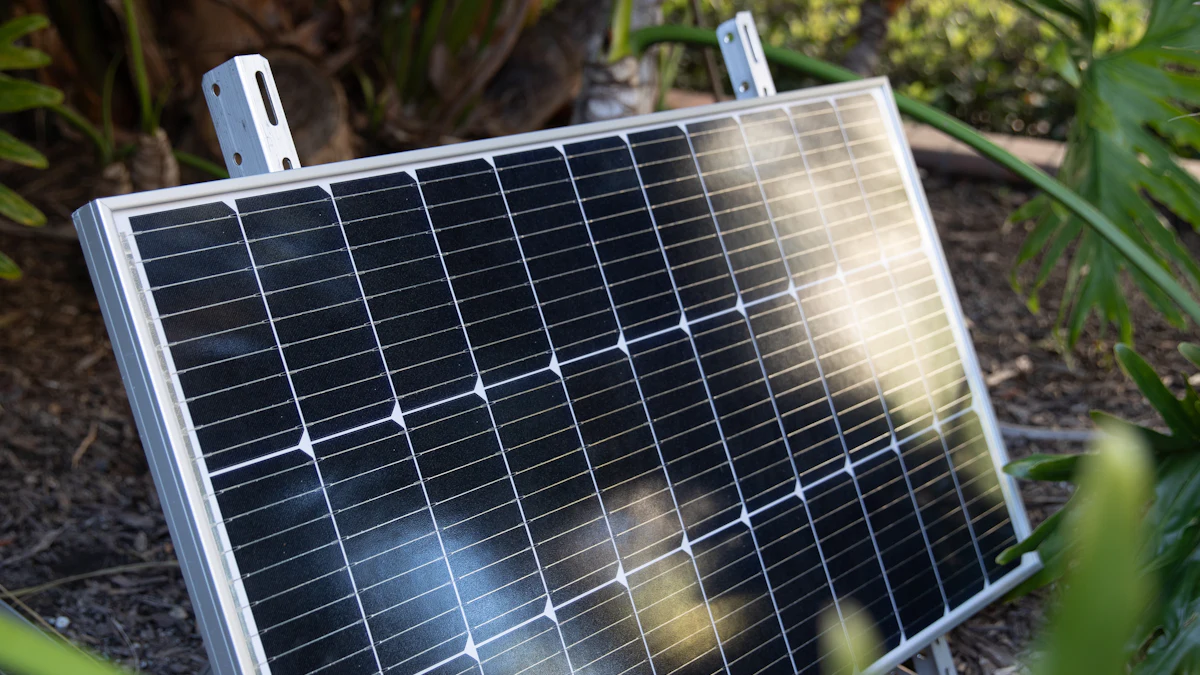
A portable solar generator can keep your most important devices running through an outage, but only if it is sized for what you actually need. Buying by brand name or the biggest number on the box often leads to a unit that is either too small to be useful or far more expensive than necessary. This guide walks through the decisions in order.
Want a quick estimate first? Try our backup power calculator.
Step 1: List what must stay on
Write down only the essentials you would want during an outage. For each item, find its wattage on the label, power adapter, or manual. Common essentials include:
- Refrigerator or freezer
- CPAP or other medical device
- Wi-Fi router and modem
- Phones, laptops, and radios
- LED lights
- A fan, space heater, or sump pump, if applicable
Appliances that heat things, such as space heaters, hair dryers, and coffee makers, draw a lot of power and drain batteries quickly. Plan around them carefully.
Step 2: Check continuous and surge output
Add up the wattage of everything you might run at the same time. The power station's continuous AC rating must exceed that total. Then look at surge: motors and compressors, including refrigerators and pumps, can draw several times their running wattage for a moment when they start. If the inverter's surge rating is too low, the unit will shut off when the appliance kicks on.
Step 3: Estimate the battery capacity you need
Battery capacity is listed in watt-hours (Wh). To estimate how much you need:
- Multiply each device's wattage by the hours you expect to run it per day.
- Add those numbers together for a daily total.
- Add a buffer of roughly 15–25% for inverter losses and other inefficiencies.
Example: a 60 W router setup for 24 hours (1,440 Wh), a 40 W CPAP for 8 hours (320 Wh), and 30 W of LED lights for 5 hours (150 Wh) add up to 1,910 Wh. With a 20% buffer, that is about 2,300 Wh per day. Refrigerators cycle on and off, so use the yearly kWh figure on the EnergyGuide label divided by 365 to estimate daily use.
Step 4: Choose a battery chemistry
Most current units use one of two lithium chemistries. LiFePO4 (lithium iron phosphate) is generally rated for more charge cycles and is considered more thermally stable, but it is heavier. NMC (nickel manganese cobalt) packs are lighter for the same capacity but are usually rated for fewer cycles. For a unit that will sit ready for years, LiFePO4 is the more common recommendation.
Step 5: Plan your recharging
In a multi-day outage, how fast you can refill the battery matters as much as its size. Check:
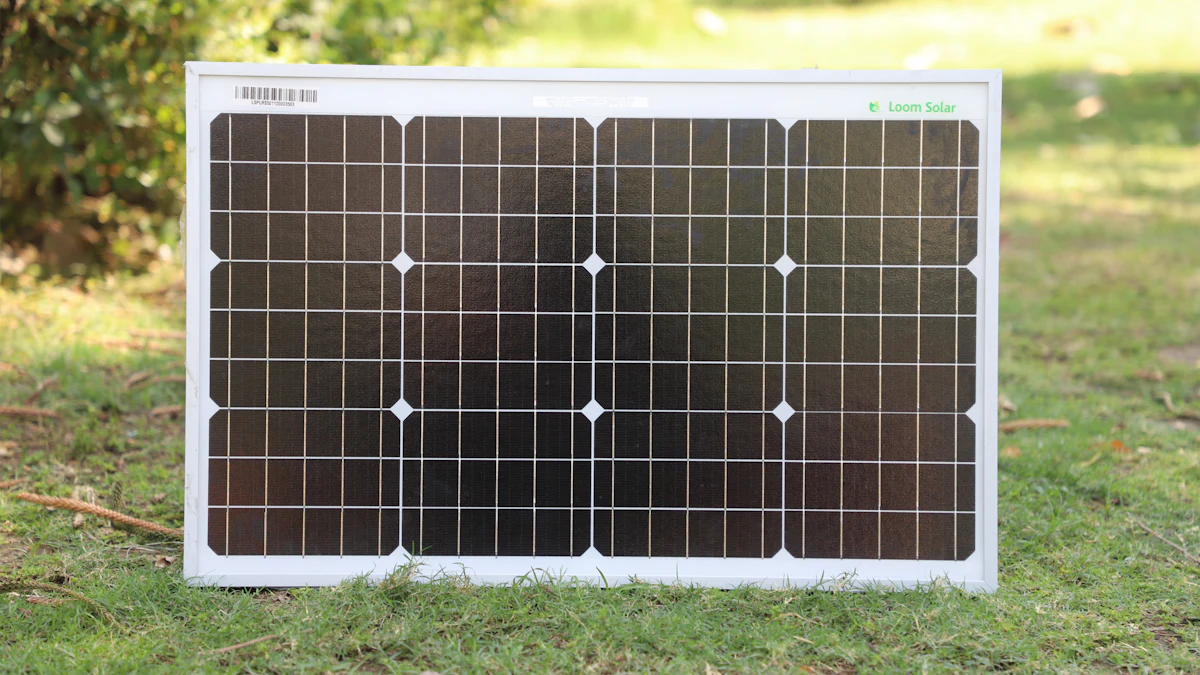
- Maximum solar input in watts, and the supported voltage range for panels
- Realistic panel output. Panels rarely deliver their full rated wattage, and output drops with clouds, heat, poor angles, and short winter days
- AC charging speed for topping up while grid power is available
- Car charging as a backup option
Step 6: Check the practical details
- Outlets: enough AC outlets and USB-C ports for your devices, and a pure sine wave inverter
- Expandability: some units accept extra battery packs later
- Home connection: some systems can connect to a transfer switch or power inlet. This must be installed by a licensed electrician.
- Weight: large units can exceed 50 pounds; check for wheels or handles
- Safety certifications and warranty: look for listed certifications and a clear warranty period
- Cold-weather limits: most lithium batteries cannot charge below freezing unless they have built-in heating
Common mistakes to avoid
- Buying on watt-hours alone and ignoring inverter and surge ratings
- Assuming solar panels will produce their full rated output
- Forgetting that the battery slowly self-discharges in storage; check and top it up every few months
- Running a space heater or other heating appliance on a small unit
Next steps
Once you know your target capacity, continuous output, and solar input, you can compare models on equal terms. See how we test power stations, and read our solar vs. gas generator safety comparison.
This guide is general information, not electrical or medical advice. Follow manufacturer instructions, and use a licensed electrician for any connection to your home's wiring.