Important: this guide is general information, not medical advice. If you rely on a CPAP, BiPAP, oxygen concentrator, or other medical device, make a backup power plan with your doctor and equipment supplier.
For people with sleep apnea, a power outage is more than an inconvenience. Many CPAP users can run their machine through the night on a portable battery, but the right setup depends on your specific machine and settings.
Step 1: Find out how much power your CPAP uses
CPAP power use varies by model, pressure setting, and accessories. The machine alone often draws a few tens of watts. A heated humidifier and heated tubing can multiply that, and are often the single biggest factor in battery runtime.
- Check the power supply label or manual. The rating printed on the power adapter is a maximum, not typical use, so it gives a conservative estimate.
- For a more accurate figure, plug the machine into an energy meter for one normal night.
- Ask your equipment supplier for your model's typical consumption with and without the humidifier.
Step 2: Estimate how much battery you need
Watt-hours needed per night = average watts × hours of sleep
| Setup | Example draw | 8-hour night | Nights on 1,000 Wh* |
|---|---|---|---|
| CPAP, humidifier off | ~15–20 W | ~120–160 Wh | ~5–7 nights |
| CPAP with humidifier | ~40–60 W | ~320–480 Wh | ~2 nights |
| CPAP, humidifier and heated tube | ~70–90 W | ~560–720 Wh | ~1 night |
*Assumes about 85% of rated capacity is usable through an AC inverter. Example draws are illustrative ranges; your machine may differ. These are estimates, not test results.
Step 3: Choose a backup power option
Manufacturer CPAP batteries
Some CPAP makers sell batteries designed for their machines. They are compact and simple, but usually smaller, so they may cover only one or two nights.
Portable power stations
A power station can run a CPAP for several nights and also charge phones and power lights. Look for pure sine wave AC output, which is the safer choice for medical devices and sensitive electronics.
DC power
Many CPAP machines can run from 12 V or 24 V DC with a manufacturer-approved DC cable or converter. Powering the machine from a power station's DC port skips the AC inverter, which wastes less energy and can noticeably extend runtime. Use only the cable or converter your CPAP's manufacturer specifies.
Ways to extend runtime
- Turn off the heated humidifier and heated tubing during an outage, if your clinician agrees.
- Use DC power instead of AC when your machine supports it.
- Keep your power station fully charged before storms, and top it up every few months in storage.
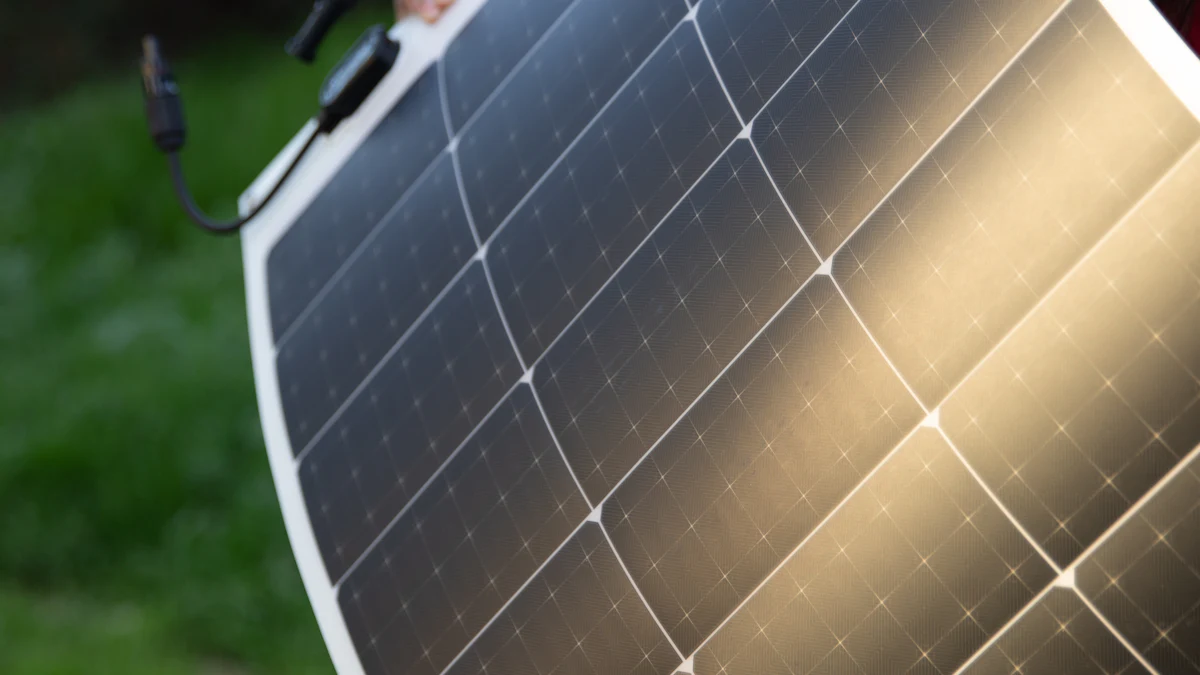
- Recharge during the day with solar panels or a vehicle so the battery is full by bedtime.
What about oxygen concentrators?
Oxygen concentrators typically draw far more power than a CPAP, often a few hundred watts, so even a large power station may last only a few hours. If you use oxygen, talk to your supplier about backup cylinders and a plan for longer outages.
Plan ahead
- Test your setup for a full night while grid power is still available.
- Ask your utility whether it offers a medical-needs or priority restoration program. Many do, though enrollment does not guarantee faster restoration.
- Know where to go if an outage lasts longer than your battery: a relative's home, a hotel, or a local shelter or cooling center.
Next steps
Add your CPAP to our backup power calculator to size a battery, and see how we evaluate inverter output for sensitive loads.
This guide is general information, not electrical or medical advice. Follow manufacturer instructions, and use a licensed electrician for any connection to your home's wiring.