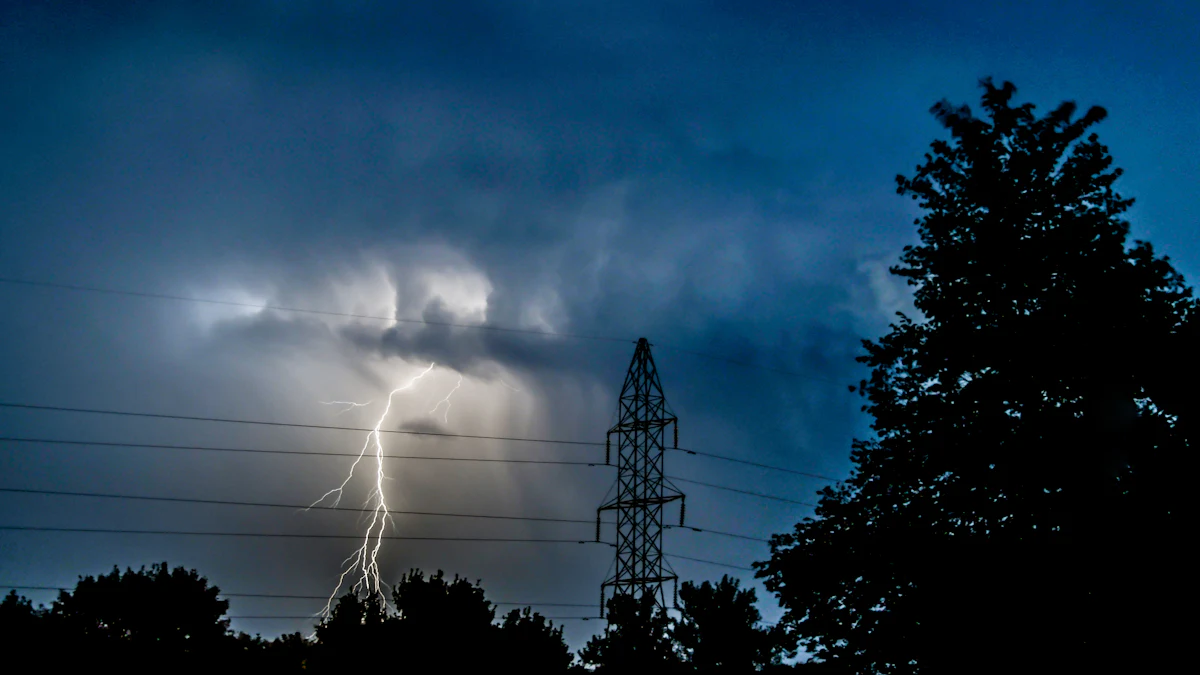
Most outages last a few hours, but storms, heat waves, and wildfire shutoffs can leave homes without power for days. A little preparation makes a long outage far safer and less stressful. Use this checklist to get ready.
Before an outage
Power and lighting
- List the devices you must keep running: refrigerator, medical devices, phones, internet, lights.
- Size a backup power source for those essentials with our backup power calculator.
- Keep power stations charged and test them every few months.
- Stock flashlights and LED lanterns with spare batteries. Avoid candles where possible.
- Keep phone chargers and power banks charged before storms.
Safety
- Install battery-powered or battery-backup carbon monoxide alarms on every level of your home.
- Learn how to manually open your garage door.
- Know where your main electrical panel and water shutoff are.
- If you have a fuel generator, plan where it will run: outdoors, far from doors, windows, and vents.
Food, water, and medicine
- Store drinking water and shelf-stable food for several days.
- Put appliance thermometers in your refrigerator and freezer.
- Keep a supply of essential medications, and know which ones need refrigeration.
- If you use powered medical equipment, make a plan with your provider and ask your utility about medical-needs programs.
Information
- Sign up for your utility's outage alerts and local emergency alerts.
- Keep a battery-powered or hand-crank radio.
- Keep some cash on hand, since card readers may not work.
During an outage
- Keep refrigerator and freezer doors closed as much as possible.
- Unplug sensitive electronics to protect them from surges when power returns.
- Run backup power only for essentials, and recharge from solar during the day.
- Never run a generator, grill, or camp stove indoors or in a garage, even with the door open.
- Never connect a generator to your home's wiring without a transfer switch installed by a licensed electrician.
- Report the outage to your utility and check on neighbors, especially older adults.
- If your home gets dangerously hot or cold, go to a cooling or warming center.
After the power returns
- Check food temperatures. Discard perishable food that has been above 40 °F for more than 2 hours.
- Plug electronics back in gradually.
- Recharge your power stations and replace used batteries and supplies.
- Note what worked and what did not, and update your plan.
Keep learning
Read how long a power station will run a refrigerator, how to power a CPAP during an outage, and our solar vs. gas generator safety comparison.
This guide is general information, not electrical or medical advice. Follow manufacturer instructions, and use a licensed electrician for any connection to your home's wiring.